Boat smarter, every season.
Practical steps for a safer day on the water, a better maintained boat, and fewer surprises when weather, breakdowns or storage plans change. Start with the checklist, then open the detailed guidance from the Coast Guard, NOAA, BoatUS Foundation and Discover Boating.
Make the dockside check a habit.
This quick list is a planning aid. Equipment and operator requirements vary by boat, activity and state; check current rules and your vessel manual.
Checks stay on this screen only. They clear when you leave or reload the page.
Coast Guard federal boating guide and pre-departure checklist ↗ · Coast Guard float plan ↗
Build confidence before you need it.
Learn the rules
Take a state-approved course, then practice navigation, docking and emergency procedures on the water. Check your state’s operator requirements.
Explore BoatUS Foundation courses ↗Check the vessel
Inspect life jackets, fire extinguishers, ventilation, navigation lights and other gear. Request a voluntary vessel safety check when available.
Explore Coast Guard safety resources ↗Plan for changing weather
Use a marine forecast for your exact waters; watch wind, seas, visibility and special marine warnings before and during the trip.
Read NOAA marine weather guidance ↗Practice the call for help
Know your position, number of people aboard and nature of the problem. Learn when to use a Mayday or an urgency call on VHF Channel 16.
Learn VHF radio procedure ↗Know what happens when plans go wrong.
Insurance questions to ask
- What are the liability and hull limits, deductible, navigation area and layup terms?
- Is the boat valued on an agreed value or actual cash value basis?
- Are passengers, personal gear, trailer, salvage, wreck removal and pollution covered?
- What are the named-storm, haul-out and storage conditions where you keep the boat?
Towing questions to ask
- Does the policy include on-water assistance, reimbursement or direct service?
- Where does the plan operate, what is the limit, and which vessel is covered?
- Are fuel delivery, jump starts, soft ungrounding and trailer roadside assistance included?
- Who handles salvage or a dangerous grounding? Coverage can differ from routine towing.
Coverage depends on the specific policy or membership. Confirm terms directly before relying on a benefit.
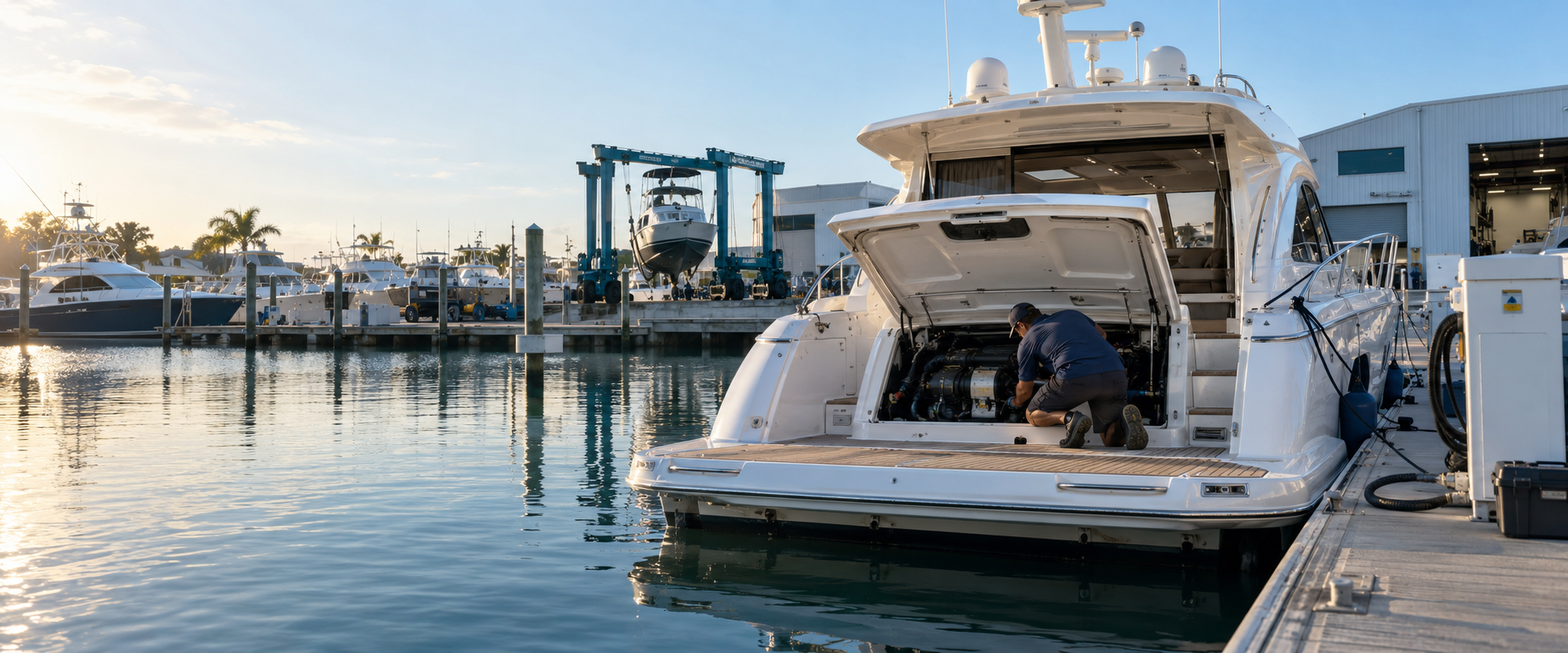
Catch small problems at the dock.
Before and after use
Look for leaks, loose connections, chafe, corrosion and unusual engine readings. Check bilge pumps, fuel system, battery, steering and propeller. Rinse and secure the boat after use as appropriate.
On the service calendar
Follow the engine and equipment manufacturers’ maintenance intervals for oil, filters, cooling, anodes, belts, batteries and safety equipment. Record service dates and defects; have qualified technicians handle work beyond your experience.
Ready for the season?
Mechanical and systems
- Review last season’s repairs and the engine service schedule.
- Inspect hoses, clamps, belts, fluids, batteries and charging.
- Test steering, throttle, bilge pumps, lights and electronics.
- Check the hull, through-hulls, propeller and running gear before launch.
People and paperwork
- Replace expired safety gear; confirm properly sized life jackets.
- Check registration, operator education, insurance and towing terms.
- Update charts, float plan contacts and emergency instructions.
- Take a short shakedown trip close to home before a long run.
Protect the boat when you are away.
Winter layup
Follow the manual for engine, fuel and freshwater systems; service fluids, protect batteries, drain vulnerable plumbing, inspect the bilge and cover the boat with ventilation in mind. Procedures vary by climate and propulsion type.
Read winterization guidance ↗Named storms
Decide early whether to haul out, move or secure the boat. Review marina deadlines, lines, chafe protection, electronics and policy obligations. Never wait for dangerous conditions to begin moving a vessel.
Review BoatUS storm preparation ↗Tow with the same care you boat.
Before departure, check the tow vehicle’s rating, hitch and coupler, safety chains, tires, bearings, lights, brakes and load security. Review your route and launch ramp plan. Trailer roadside assistance differs from on-water towing.
Use the Discover Boating trailering checklist ↗Find the right help nearby.
Use the REFEVIA directory to find a marina, mechanic, yard or other marine service, and review the listing details before contacting the business.
Educational guidance only. Rules, equipment needs, policies and technical procedures vary by location and vessel. The linked organizations maintain their own content.